THE VELOTAVIRA RIDING STANDARD
Bike Safety Essentials
Every confident ride begins before the wheels turn. Discover the essential habits, protective equipment, visibility tools, and practical checks that help you prepare for the road ahead.
THE THREE FOUNDATIONS
Build a Safer Ride
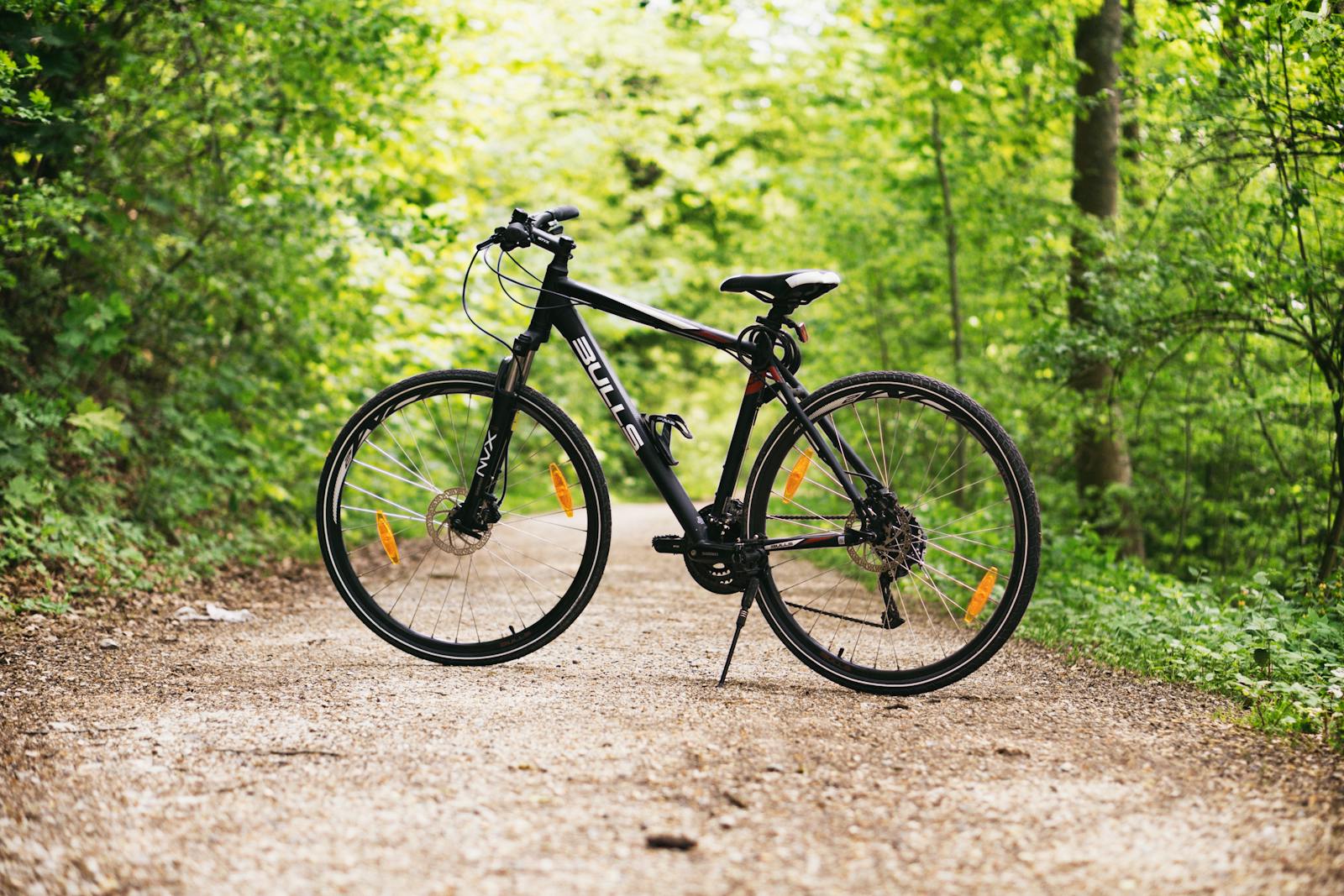
Safety is not one product or one decision. It comes from combining well-fitted equipment, a properly maintained bicycle, and attentive riding habits every time you head out.
Wear the Right Equipment
Choose a correctly fitted cycling helmet, appropriate protective gear, and clothing suited to the conditions. Inspect equipment for damage and follow its instructions.
Know Your Bicycle
Check brakes, tires, steering, wheels, and essential accessories before riding. Small mechanical problems are easier to address before a journey begins.
Stay Alert and Predictable
Pay attention to traffic, road surfaces, intersections, and other road users. Ride predictably and follow applicable traffic laws and local cycling rules.
HEAD PROTECTION
Make Helmet Fit a Priority
A cycling helmet is an important piece of protective equipment, but it must fit properly and be suitable for its intended use. Follow the manufacturer's instructions when selecting, adjusting, and caring for it.
Select a bicycle helmet that meets applicable safety standards and is designed for your type of cycling.
The helmet should sit level and low enough to cover the forehead without blocking your vision.
Secure and adjust the chin strap and retention system so the helmet stays stable without uncomfortable pressure.
Replace a helmet after an impact when required by its manufacturer, and never continue using one with damage that may compromise protection.
SEE AND BE SEEN
Visibility Changes Everything
Good visibility helps you identify hazards and makes your bicycle easier for other road users to notice. Prepare for daylight, changing weather, and low-light conditions with a thoughtful lighting setup.
Front Bike Lights
Use an appropriate white front light for the conditions and applicable regulations. Aim it to illuminate the route without unnecessarily dazzling others.
Rear Bike Lights
A properly mounted red rear light helps other road users notice you from behind. Check that bags or clothing do not obstruct it.
Reflective Details
Reflectors and reflective accessories can improve conspicuity when illuminated by vehicle lights. They supplement, rather than replace, required lighting.
Battery Checks
Check charge levels, mounting security, and light operation before departure. Carry a suitable backup when your journey depends on lighting.

BEFORE EVERY RIDE
The Pre-Ride Safety Check
A quick inspection helps you identify obvious issues before they become problems on the road. Make these checks part of your regular routine, especially after transport, storage, or maintenance.
If you notice damaged parts, unreliable brakes, loose components, or any condition you cannot confidently assess, do not ride until the issue has been resolved by a qualified person.
Check tire pressure against the appropriate tire and rim limits. Look for cuts, unusual wear, loose wheels, and obvious wheel damage.
Test both brakes before riding. Confirm that the levers operate correctly and the bicycle can stop reliably.
Check that handlebars, grips, and steering components feel secure and operate smoothly, without unusual looseness or binding.
Look for obvious damage, poor chain condition, or unusual mechanical behavior. Make sure the drivetrain operates as intended.
Verify that lights work, mounts are secure, and bags, bottles, phone holders, and other accessories cannot interfere with moving parts.
Check helmet condition and fit, secure loose clothing, and make sure your footwear and other equipment are suitable for the ride.

ROAD INTELLIGENCE
Ride with Greater Awareness
Safe cycling depends on observation, judgment, and predictable movement. Whether you are commuting through city streets or riding recreational routes, remain alert to the people and conditions around you.
Obey applicable signals, signs, lane rules, and right-of-way requirements. Local laws may vary by location.
Signal turns when safe, look before changing position, and avoid sudden unpredictable movements.
Be especially attentive at intersections, driveways, and places where vehicles may cross your path.
Allow room for braking and maneuvering. Adjust your speed for visibility, traffic, surface conditions, and your ability.
Keep your attention on riding. Do not operate a phone or other device in a way that compromises control or awareness.
CONDITIONS MATTER
Prepare for Changing Weather
Weather affects grip, braking, visibility, and comfort. Choose equipment suited to the conditions, adapt your riding, and postpone travel when conditions exceed your ability or equipment.
Rain and Slippery Roads
Reduce speed, increase stopping distance, and avoid abrupt braking or steering. Painted road markings, metal surfaces, and debris can become especially slippery. Waterproof layers and suitable fenders can improve comfort.
Cold and Reduced Dexterity
Dress in suitable layers and consider gloves that preserve control of the brakes and shifters. Watch for ice, frost, and other low-traction surfaces. Avoid riding when conditions are unsafe.
Heat and Hydration
Carry sufficient drinking water for the journey and conditions. Plan breaks, consider sun protection, and recognize signs of heat-related illness. Reduce exertion or stop when necessary.
PROTECT YOUR EQUIPMENT
Make Bike Security Routine
Good bike security combines suitable locks, thoughtful parking, and consistent habits. No lock guarantees theft prevention, but sensible precautions can help reduce risk when your bicycle is unattended.
Select a quality lock appropriate for your bicycle, parking environment, and expected duration.
Follow the lock manufacturer's instructions and secure the bicycle to a fixed, suitable object that cannot easily be removed or lifted over.
Take easily removable lights, computers, bags, and electronic devices with you when leaving the bicycle unattended.
Record your bicycle's serial number and retain relevant purchase information and photographs for identification.

READY FOR THE UNEXPECTED
Carry the Right Essentials
The contents of a ride kit depend on distance, location, weather, and personal needs. These practical essentials can help you manage common situations away from home.
Basic Repair Kit
Consider a compatible multitool, tire levers, a spare tube or suitable repair supplies, and a pump or inflator.
Water and Nutrition
Carry water and suitable food based on ride duration, intensity, temperature, and your individual needs.
Phone and Route Plan
Keep a charged phone accessible when practical. Know your route and consider sharing your plans with someone you trust.
Emergency Supplies
Consider a compact first-aid kit, identification, and any essential personal supplies appropriate for your journey.
COMMON QUESTIONS
Safety Questions Answered
Clear guidance on common cycling safety concerns, equipment choices, and everyday preparation.
How often should I inspect my bicycle?
Perform a basic pre-ride check before each journey and follow the manufacturer's maintenance schedule. More detailed inspections may be needed after heavy use, impacts, unusual noises, or poor conditions.
Do I need bike lights during the day?
Daytime running lights may help improve visibility in some situations. Lighting requirements vary by location and conditions. Use lights appropriate for your environment and comply with applicable local regulations.
How do I know if my helmet fits correctly?
The helmet should sit level, cover the intended area of the forehead, and remain stable when properly fastened. It should not cause painful pressure. Follow the specific manufacturer's fitting guide.
What should I do if my brakes feel unreliable?
Do not ride the bicycle until the issue has been resolved. Inspect only within your competence and consult a qualified bicycle mechanic when necessary.
Are reflective accessories enough for night riding?
No. Reflective accessories are useful supplements but do not replace the lights required by applicable laws or the need to illuminate your route when necessary.
What should I do after a bicycle crash?
Move to a safe location if possible and seek emergency assistance for serious injuries or suspected head, neck, or spinal injury. Do not resume riding until you and the bicycle have been appropriately assessed. Inspect or replace impacted protective equipment according to its manufacturer's instructions.
VELOTAVIRA CUSTOMER SUPPORT
Ride Prepared, Ride Confident
Need help understanding the specifications of a helmet, light, lock, or cycling accessory? Our team can help you review available product details so you can make a more informed choice.
10222 NW 292nd Ave
North Plains, OR 97133
United States
Cycling equipment and order assistance
Velotavira customer assistance
This guide provides general educational information about bicycle safety and equipment preparation. It does not replace professional instruction, manufacturer guidance, qualified mechanical inspection, or applicable traffic laws. Cycling involves inherent risks, and no protective product or safety practice can eliminate all possibilities of injury, theft, or equipment failure. Always assess conditions, use equipment as directed, and follow the rules applicable to your location.