
Urban Cycling Essentials: How to Make Every Commute Better
A better commute begins before you start pedaling. From practical equipment and thoughtful route planning to everyday habits that improve comfort and confidence, discover how to make city cycling a smoother, more enjoyable experience.
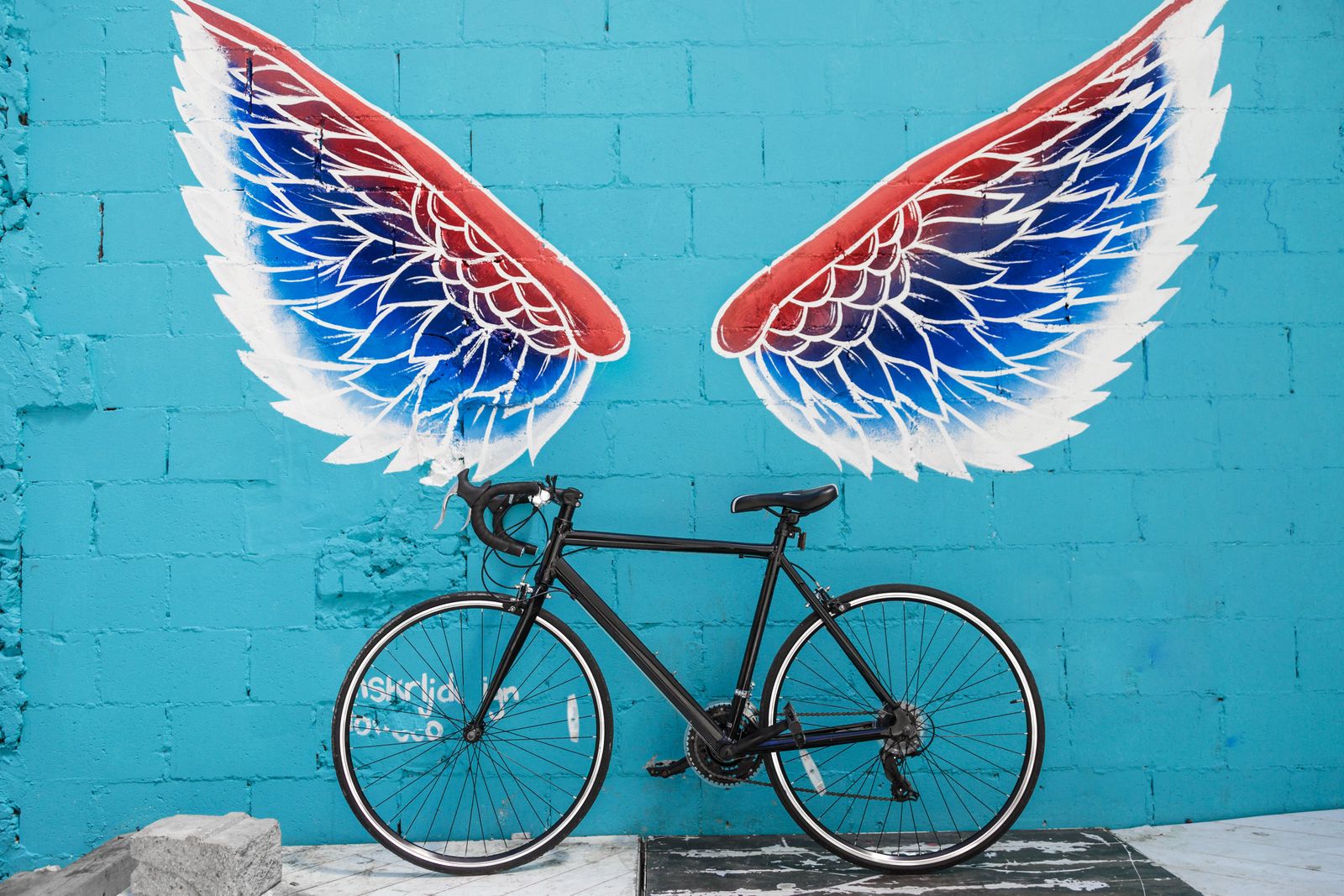
The Details That Transform a Commute
Urban cycling becomes more enjoyable when your bicycle, equipment, and daily routine work together. Small improvements can make a noticeable difference in comfort, convenience, and confidence.
A successful bicycle commute involves more than simply traveling from one place to another. It requires an understanding of the route, the conditions you may encounter, and the equipment that helps you manage everyday challenges.
City environments can be unpredictable. Traffic patterns change, weather conditions shift, and the demands of daily life vary from one journey to the next. A little preparation helps reduce unnecessary complications and allows you to focus more on the ride itself.
The right setup does not have to be elaborate. A reliable bicycle, practical storage, appropriate visibility equipment, and a few useful maintenance tools can form the foundation of an effective commuting routine.
This guide explores the essentials that matter most, from choosing comfortable accessories and organizing daily belongings to navigating city streets and developing habits that make regular cycling easier.
The best commute is not necessarily the fastest. It is the one that feels prepared, practical, and enjoyable.
Six Foundations of Better Commuting
The most useful improvements often begin with simple decisions. These foundations can help create a commuting routine that feels organized, manageable, and suited to your everyday needs.
Know Your Journey
Review your route before leaving and consider traffic conditions, intersections, road surfaces, and suitable cycling infrastructure.
Keep Your Bike Reliable
Check essential components regularly, including tires, brakes, wheels, and steering, to help identify problems before they affect a ride.
Ride with Proper Fit
Comfortable saddle height, handlebar reach, and riding position can make regular commuting more enjoyable.
Carry What You Need
Organize daily belongings in a suitable bag or bicycle-mounted storage system that does not interfere with safe handling.
Prepare for Conditions
Review weather forecasts and select appropriate clothing, visibility equipment, and route options.
Allow Room to Breathe
Build enough time into your schedule for a comfortable pace, unexpected delays, secure parking, and arrival preparation.

Create a Setup That Works for You
Even a short commute can become uncomfortable when your bicycle is poorly adjusted or your accessories are unsuitable. Small changes to fit and equipment can make repeated journeys feel noticeably better.
Begin by paying attention to your riding position and the contact points between your body and the bicycle.
Adjust Saddle Height
A suitable saddle position supports efficient pedaling and helps reduce unnecessary strain.
Check Handlebar Reach
Choose a comfortable riding posture that allows confident steering and access to the brakes.
Consider Comfortable Grips
Appropriate grips and gloves may help improve hand comfort during frequent riding.
Dress for the Journey
Choose clothing suited to the weather, distance, and level of activity you expect.
Manage Your Belongings
Keep bags secure and avoid carrying loads that interfere with balance or bicycle control.
Accessories That Make a Difference
Useful commuting equipment solves everyday problems. Prioritize protection, visibility, security, comfort, and practical storage before adding optional technology or specialized accessories.
Cycling Helmets
Select a properly fitted helmet designed for cycling and follow manufacturer guidance for care and replacement.
Bike Lights & Reflectors
Suitable front and rear lighting helps improve visibility in low-light conditions and supports compliance with local rules.
Bike Locks
Use an appropriate lock and secure your bicycle to a suitable fixed object in a permitted location.
Commuter Backpacks
A practical backpack or messenger bag helps organize daily essentials while keeping them accessible.
Bike-Mounted Bags
Bicycle-mounted storage can reduce the amount of weight carried on your back and keep suitable items securely positioned.
Fenders & Protection
Fenders and appropriate weather-resistant accessories can improve comfort when riding in damp conditions.
Repair Tools & Kits
Basic tools, a compatible spare tube or repair materials, and tire levers can help with common roadside issues.
Bike Pumps & Accessories
A suitable pump and regular tire-pressure checks support comfortable riding and dependable bicycle performance.
Phone Mounts & GPS
Securely mounted navigation equipment can help with route awareness when used without distracting from the road.
Ride Smarter Through the City
Good commuting habits help you manage the changing conditions of urban environments. Awareness, predictable riding, and thoughtful preparation are essential parts of every journey.
Stay Attentive
Watch for vehicles, pedestrians, road hazards, opening car doors, and changing traffic conditions. Avoid distractions while riding.
Communicate Clearly
Follow applicable traffic rules, signal intentions when safe, and ride in a predictable manner around other road users.
Choose Suitable Streets
Where available, consider dedicated cycling routes, quieter roads, and intersections that match your confidence and experience.
Adapt to the Weather
Reduce speed and increase caution when visibility or traction is limited. Avoid riding when conditions exceed your ability or equipment.
Secure Your Bicycle
Identify appropriate parking locations and use a suitable lock. Remove easily detachable valuables when practical.
Respect Shared Spaces
Yield where required, allow adequate passing space, and ride at a speed appropriate for surrounding conditions.
Carry Less Stress on Every Ride
An organized commuting setup helps simplify the transition between riding and the rest of your day. The goal is to carry what you need without unnecessary bulk or inconvenience.
Consider separating daily essentials into practical categories: personal items, work or study materials, weather protection, and basic bicycle repair equipment.
A suitable commuter backpack may be ideal for shorter journeys, while bicycle-mounted bags can be useful for riders who prefer to carry less weight on their shoulders.
Whatever storage option you choose, ensure it is secure, does not interfere with moving parts, and allows you to maintain comfortable bicycle control.
A well-organized commute creates more room to enjoy the ride.

Your Pre-Commute Checklist
A few minutes of preparation can help identify common issues and make everyday riding feel more organized. Use this checklist as a practical starting point before leaving home.
Inspect Your Tires
Check tire condition and inflation according to the bicycle and tire manufacturer's recommendations.
Test Your Brakes
Confirm that the brakes operate properly and that the bicycle is safe to ride before entering traffic.
Check Lights & Visibility
Ensure required lights are functioning and that reflective equipment is suitable for the expected conditions.
Review Your Route
Consider road conditions, construction, traffic patterns, and available cycling infrastructure before departure.
Secure Your Belongings
Confirm that bags, accessories, and carried items are attached securely and do not interfere with steering, braking, or pedaling.
Prepare for the Weather
Check the forecast and choose suitable clothing, hydration, and protection for the expected conditions.
Bring Your Security Essentials
Carry your bicycle lock and confirm that appropriate parking is available at your destination.
Allow Enough Travel Time
Plan a realistic departure time that accommodates a comfortable pace, unexpected delays, and secure parking.

Adapt Your Commute to the Weather
Weather can influence everything from comfort and visibility to braking performance and road traction. Preparing for changing conditions is an important part of practical urban cycling.
In warmer conditions, consider breathable clothing and sufficient drinking water. During cooler weather, layering can help you adjust to changing temperatures.
Wet conditions may require additional caution, suitable clothing, and increased stopping distance. Fenders can help reduce road spray, while appropriate lighting improves visibility when conditions become darker.
Not every weather condition is suitable for riding. Strong winds, severe storms, flooding, ice, or other hazards may make alternative transportation the safer choice.
The objective is not to ride regardless of conditions. It is to make informed decisions that support comfortable and responsible commuting.
Make Every Commute More Enjoyable
Reliable equipment provides a strong foundation, but long-term commuting satisfaction also depends on the habits you develop. Small adjustments can make everyday cycling more comfortable, consistent, and rewarding.
Keep Your Bicycle Maintained
Regular cleaning, lubrication where appropriate, and mechanical inspections help keep your bicycle dependable.
Prepare Your Bag in Advance
Organizing essentials before the morning rush can make departure easier and reduce forgotten items.
Choose Routes You Enjoy
A comfortable route with manageable traffic may be more enjoyable than a shorter route that feels stressful.
Stay Flexible with Your Schedule
Adjust riding plans around weather, personal commitments, and changing circumstances rather than forcing every journey.
Learn Basic Bicycle Maintenance
Understanding simple tasks such as checking tire pressure and recognizing brake problems can improve preparedness.
Give Yourself Time to Enjoy the Ride
Avoid treating every commute as a race. A comfortable pace can make regular cycling more sustainable.
Improve One Thing at a Time
Focus on the changes that matter most to your experience, whether that means better storage, a more comfortable setup, or a more suitable route.
Make Every Journey Better
A better urban commute is built through thoughtful preparation, dependable equipment, comfortable riding habits, and awareness of the city around you. By focusing on the essentials and refining your routine gradually, you can transform everyday cycling into an experience that feels more practical, confident, and enjoyable. The goal is not a perfect ride every day, but a commuting lifestyle that works for you.


