
Cycling for Fitness: Building an Active Lifestyle That Lasts
Fitness is not built through occasional bursts of motivation. It grows through movement you enjoy, routines you can maintain, and progress that feels meaningful. Discover how cycling can become a sustainable part of an active lifestyle.
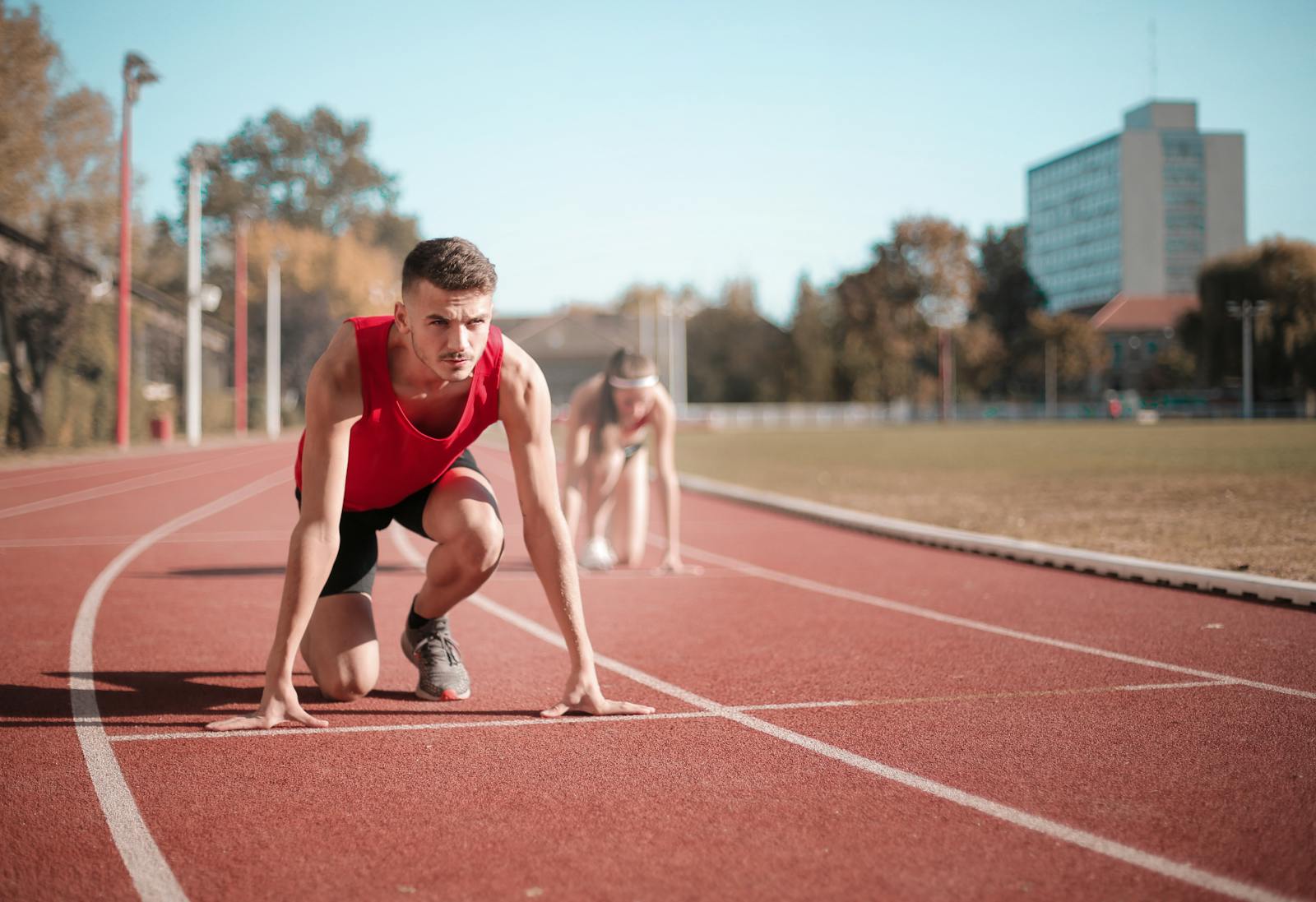
Fitness Begins with Consistency
The most effective fitness routine is not necessarily the most demanding. It is the one you can return to regularly, enjoy over time, and adapt as your life changes.
Cycling offers a compelling combination of physical activity, outdoor exploration, and personal freedom. It can be approached as a relaxed recreational activity, a practical way to travel, or a structured form of exercise designed to improve endurance and overall fitness.
Unlike exercise routines that depend on a fixed location or specialized training environment, cycling can fit into many different lifestyles. A short morning ride, an afternoon journey through a park, or a longer weekend route can all contribute to an active routine.
The challenge is not simply beginning. It is developing habits that remain enjoyable and realistic after the initial excitement fades.
This guide explores how to build cycling fitness gradually, understand different training intensities, choose supportive equipment, manage recovery, and create a routine that can evolve with your goals.
Sustainable fitness is built one manageable ride at a time.
Why Cycling Supports Fitness
Cycling is a versatile form of aerobic activity that can be adjusted to different fitness levels. When practiced regularly and combined with appropriate recovery, it can support several important aspects of physical wellbeing.
Support Heart Health
Regular aerobic exercise such as cycling can improve cardiovascular endurance and contribute to heart and circulatory health.
Build Lower-Body Strength
Pedaling repeatedly engages major lower-body muscles, helping develop muscular endurance as riding duration and effort increase.
Enjoy Low-Impact Movement
Cycling generally places less impact stress on the joints than activities such as running, although proper bicycle fit and technique remain important.
Create Space to Recharge
Physical activity and time outdoors can support mood and stress management while offering a refreshing break from everyday routines.
Improve Everyday Endurance
Consistent cycling can gradually improve your capacity to sustain physical activity, making longer rides and daily movement feel more manageable.
Make Movement Enjoyable
The flexibility and variety of cycling can make it easier to maintain an active routine without depending entirely on structured workouts.

Start Strong. Progress Gradually.
Beginning a fitness routine does not require long rides or demanding training sessions. A gradual approach allows your body to adapt while helping you build confidence and enjoyment.
Choose a comfortable bicycle, identify suitable routes, and establish a realistic starting point based on your current activity level.
Assess Your Starting Point
Consider your current activity level and choose an effort you can manage comfortably without excessive fatigue.
Prioritize Bicycle Fit
Adjust saddle height, handlebar position, and contact points to support comfortable, controlled riding.
Choose Suitable Routes
Start with predictable terrain, manageable distances, and locations where you feel comfortable riding.
Increase Workload Slowly
Extend ride duration or intensity gradually rather than making large increases from one session to the next.
Allow Time to Recover
Include easier days and rest periods so your body can adapt to the demands of regular activity.
Build a Sustainable Foundation
Effective cycling fitness develops through a combination of manageable training, recovery, and consistency. Understanding these foundations helps you progress without making every ride unnecessarily demanding.
Ride Regularly
Frequent manageable sessions often provide a more sustainable foundation than occasional exhausting workouts.
Develop Your Aerobic Base
Comfortable rides at a steady pace help build the ability to sustain activity over longer periods.
Increase Challenges Gradually
As your fitness improves, consider small increases in riding duration, route difficulty, or training intensity.
Respect Rest Days
Recovery supports adaptation and helps reduce the likelihood of persistent fatigue from excessive training.
Keep Training Interesting
Combine relaxed rides, longer sessions, and occasional changes in terrain to maintain motivation and enjoyment.
Include Other Activities
Strength training, mobility work, and other suitable activities can complement cycling and support overall fitness.
Understand Your Riding Intensity
Not every ride needs to feel difficult. Learning to recognize different effort levels helps you organize your training and avoid turning every session into a maximum-effort workout.
Comfortable Riding
You can breathe comfortably and speak in full sentences. This level is suitable for relaxed activity, introductory rides, and easier recovery sessions.
Steady Fitness Riding
Breathing becomes noticeably faster, but you can still speak in sentences. This effort can help develop aerobic endurance when sustained appropriately.
Challenging Riding
Breathing is substantially harder, and speaking more than a few words becomes difficult. Higher-intensity efforts should be introduced thoughtfully according to fitness and experience.
Your First Weekly Riding Plan
A simple schedule can help turn good intentions into consistent habits. The following example is designed as a flexible introduction for generally healthy beginners, not a universal training prescription.
Easy Introduction
Enjoy approximately 15–20 minutes of comfortable cycling on a familiar route. Focus on smooth pedaling and relaxed breathing.
Recovery & Mobility
Rest or choose gentle movement such as walking or light mobility exercises. Allow your body to recover from the previous session.
Steady Riding
Try approximately 20–25 minutes at a manageable pace. Keep the effort controlled and reduce the duration if necessary.
Rest & Reset
Take a rest day or enjoy light activity. Review how your body feels and adjust the next sessions accordingly.
Comfortable Fitness Ride
Ride for approximately 20–30 minutes at a conversational pace. Concentrate on maintaining a consistent, comfortable effort.
Optional Leisure Ride
If you feel recovered, enjoy a relaxed ride on a scenic or familiar route. Keep the duration suitable for your current fitness level.
Rest & Reflect
Take time to recover and consider what worked well during the week. Plan manageable adjustments for the following week.
Build Endurance That Lasts
Endurance develops gradually. As your body adapts to regular cycling, familiar routes may begin to feel easier and longer rides may become more comfortable.
One of the most effective ways to support this process is to maintain a consistent training routine without increasing every ride's difficulty.
Rather than focusing exclusively on distance or speed, pay attention to how comfortably you complete your rides, how quickly you recover, and whether your routine remains enjoyable.
When you are ready to progress, consider extending one ride slightly while keeping the rest of your schedule manageable. This creates room for improvement without overwhelming your recovery.
Progress is not only about riding farther. It is also about feeling stronger, recovering well, and enjoying the journey.

Equipment for Better Rides
You do not need an elaborate setup to begin cycling for fitness. Reliable, comfortable equipment can support your training while making regular rides easier to maintain.
Cycling Helmets
Choose a properly fitted helmet suitable for cycling and follow manufacturer guidance for use and replacement.
Cycling Jerseys & Shorts
Breathable clothing and appropriate padded shorts can help improve comfort during longer training sessions.
Water Bottles & Accessories
Carry adequate drinking water for your ride, accounting for weather, intensity, duration, and access to refills.
Bike Computers & GPS
Optional tracking tools can help you review routes, riding time, and progress without making every ride a competition.
Repair Tools & Pumps
A basic repair kit and compatible pump can help you address common mechanical issues during a ride.
Bike Lights & Reflectors
Suitable lighting and reflective equipment help improve visibility in low-light conditions and support compliance with local rules.

Recovery Is Part of Progress
Exercise creates a training stimulus, but adaptation also depends on sufficient recovery. A balanced cycling routine includes appropriate rest, nutrition, hydration, and sleep.
Learning to recognize fatigue and respond to your body's needs can help you maintain consistent activity over time.
Prioritize Quality Sleep
Regular, sufficient sleep supports recovery, overall wellbeing, and readiness for future activity.
Eat a Balanced Diet
Include a variety of nutritious foods to support energy needs and recovery from physical activity.
Stay Hydrated
Adjust fluid intake to conditions, activity duration, and individual needs.
Include Easier Days
Alternate demanding sessions with comfortable riding or rest to support recovery.
Respond to Warning Signs
Stop exercising if you experience concerning symptoms such as chest pain, faintness, or unusual shortness of breath, and seek appropriate medical care.
Make Fitness a Lifestyle
Long-term fitness depends on habits that can adapt to changing schedules, responsibilities, and personal goals. Cycling becomes more sustainable when it feels like a rewarding part of life rather than another obligation.
Set Meaningful Goals
Choose goals that matter to you, whether that means riding more frequently, improving endurance, or feeling more comfortable on familiar routes.
Celebrate Small Improvements
Notice changes in comfort, confidence, recovery, and consistency instead of measuring success only through speed or distance.
Keep Your Routine Flexible
Adjust training to fit work, family, weather, and other commitments. A shorter ride can still be valuable when time is limited.
Find Enjoyable Routes
Explore safe, interesting places that make you look forward to getting on your bicycle.
Build Social Connections
Riding with friends or joining an appropriate cycling group can provide motivation, encouragement, and shared experiences.
Allow Your Goals to Evolve
Your fitness interests may change over time. Adapt your riding routine to reflect your current priorities and abilities.
Enjoy the Process
The strongest motivation often comes from finding genuine pleasure in movement rather than relying exclusively on external targets.
Build Fitness for Life
Cycling can become far more than an occasional workout. With realistic goals, gradual progression, thoughtful recovery, and an emphasis on enjoyment, it can support an active lifestyle that continues to reward you over time. Begin where you are, appreciate each improvement, and remember that lasting progress is built through consistent movement rather than perfection.


